Ask a child to draw a car and they will colour it red
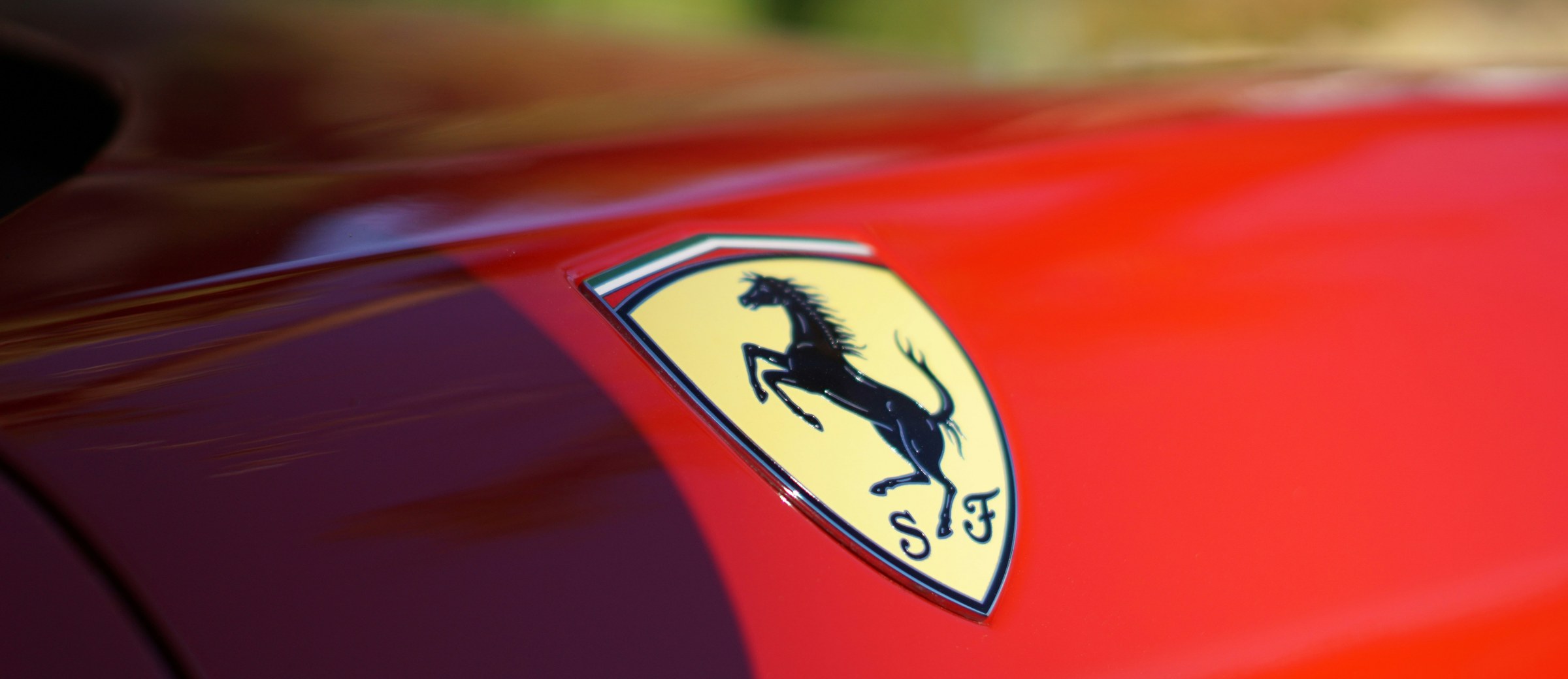
A sign that was a gift, a colour assigned by a federation and a brand that doesn’t advertise
By Anja Zambelli Čolak
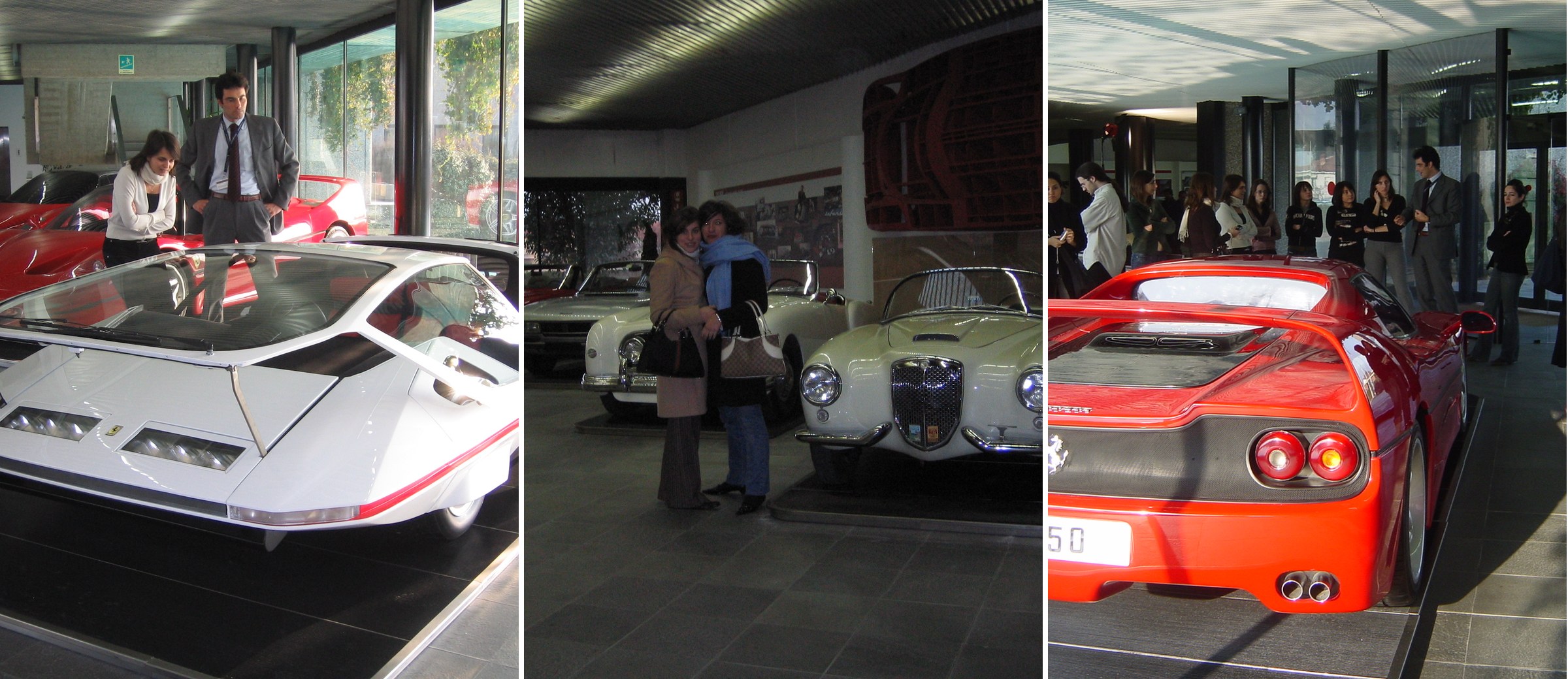
My days at Pininfarina
During my master’s I spent a few days at Pininfarina. They showed us what we were allowed to see. And then there was a tinted glass wall. Behind it were the prototypes of future Ferraris. The future of car design, a few metres away from me. The view was not included in the tuition.
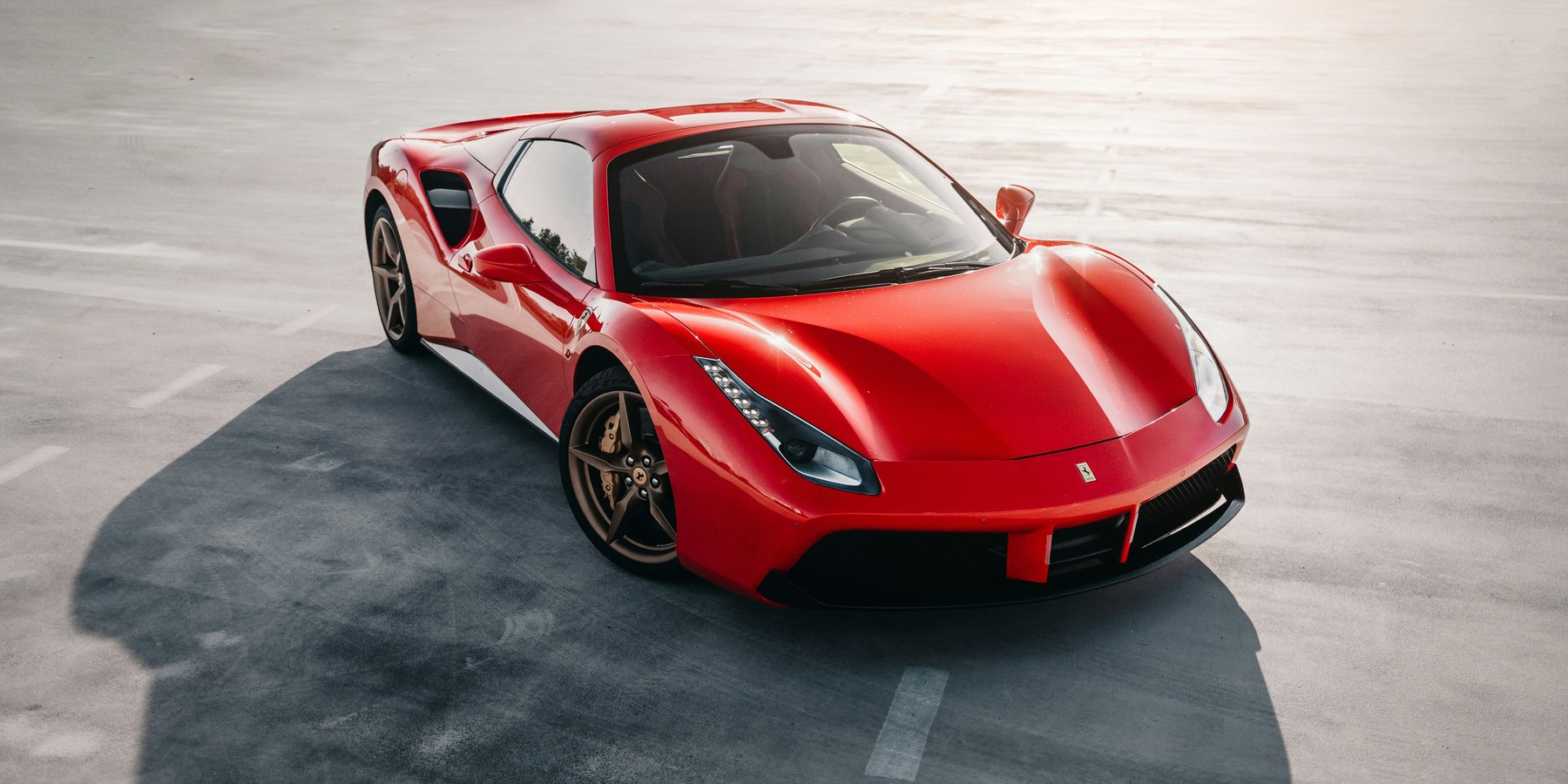
Pininfarina drew Ferraris for some sixty years. But how did a factory from a small town near Modena become a brand recognised even by people who have never sat in a Ferrari?
The answer is not one campaign. For almost eighty years Ferrari has built its brand on a few decisions it repeats consistently: a clear sign, one colour, racing instead of advertising, fewer cars than the market wants, and strict protection of its name when it lends it to others.
Il Cavallino Rampante – the prancing horse
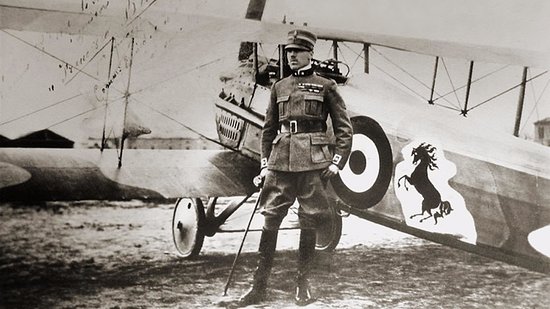
Ferrari’s horse was not born in an agency. Francesco Baracca, an Italian First World War pilot, carried it on the side of his plane.1 After winning in Ravenna in 1923, Enzo Ferrari met Francesco’s parents, and Countess Paolina, as Enzo later told it, suggested he put the horse on his cars, for luck.2
What followed was already brand work. Enzo put the horse on a yellow background, the colour of Modena, and in 1945 he personally refined the drawing with the Milanese engraver Eligio Gerosa. His note remained on the sketch: “Invertire il cavallo”, turn the horse around. He wanted a slimmer horse, a hoof that “flies” and straight stripes instead of curved ones.3
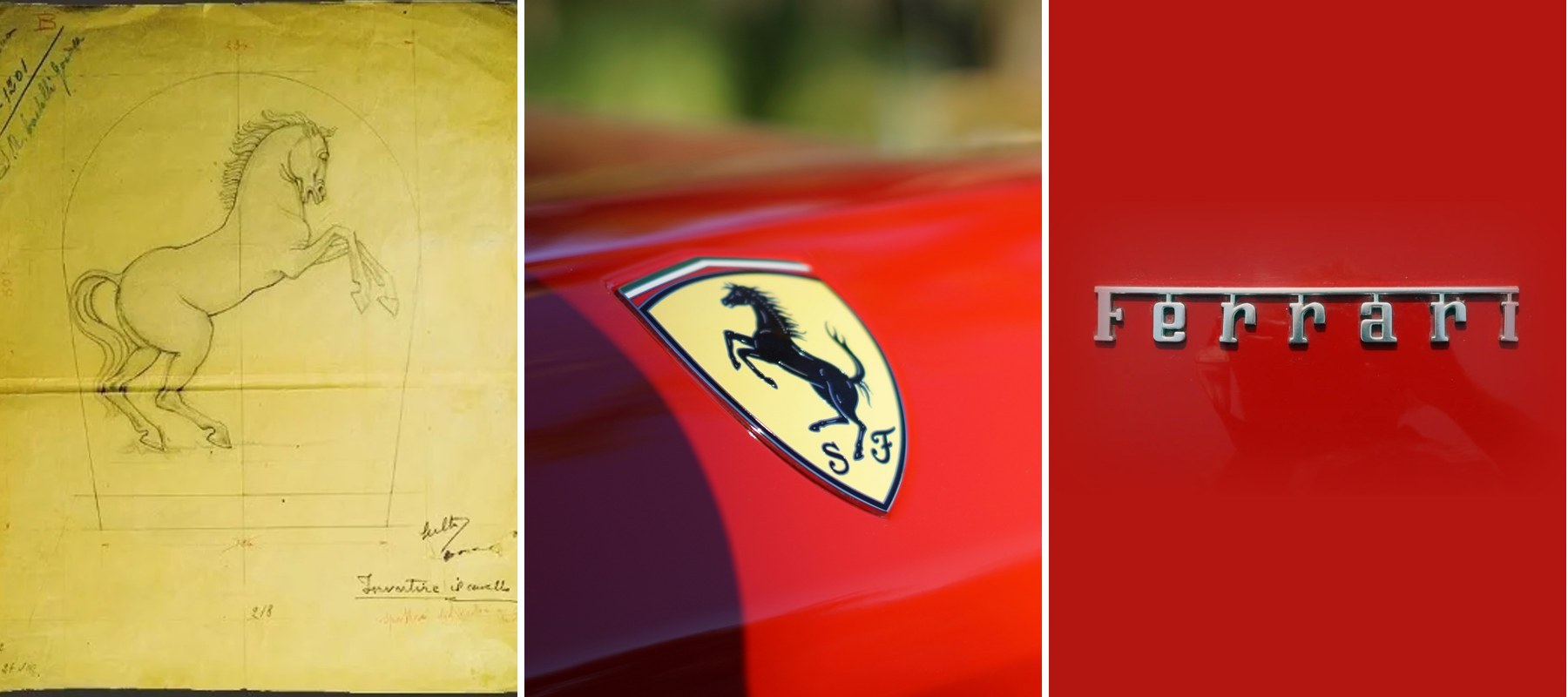
Every element of the sign has a meaning. The black horse ties the brand to a hero and a story about luck. The yellow ties it to the city, the three stripes in the colours of the flag to Italy,1 and the letters SF to the racing team, Scuderia Ferrari. Since 1947 Ferrari has had two signs: the shield with SF for the team and the rectangle with the word Ferrari for the cars.2 Origin, place, country and purpose, all in a sign that fits on a bonnet.
Essere Ferrari
The slogan came much later, and from the team, not from marketing. At the launch of the SF90 in Fiorano on 15 February 2019, #essereFerrari, being Ferrari, was written everywhere. It was coined by team principal Mattia Binotto. Many thought it was an advertising campaign or a teaser for a new car, and it was neither. Binotto explained it as the courage to compete, with integrity, passion and determination.4
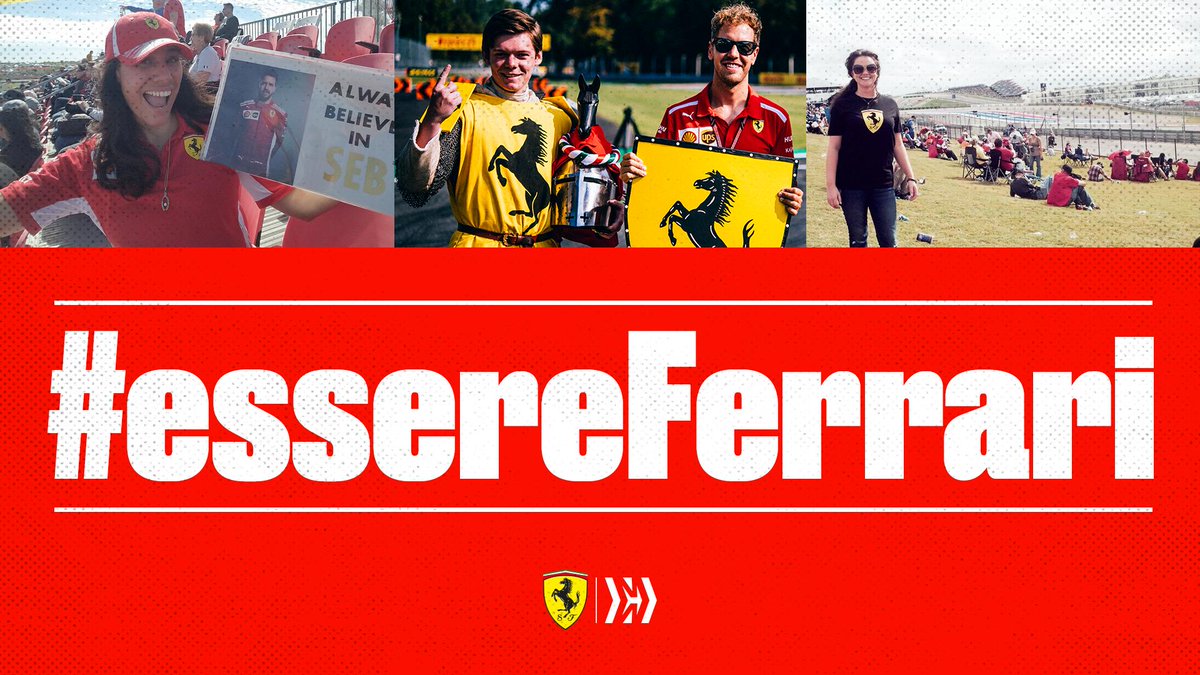
By then the team had not won a title in twelve years.4 So the slogan does not promise victory, it describes an identity. A promise about who you are lasts longer than a promise about results.
Rosso Corsa
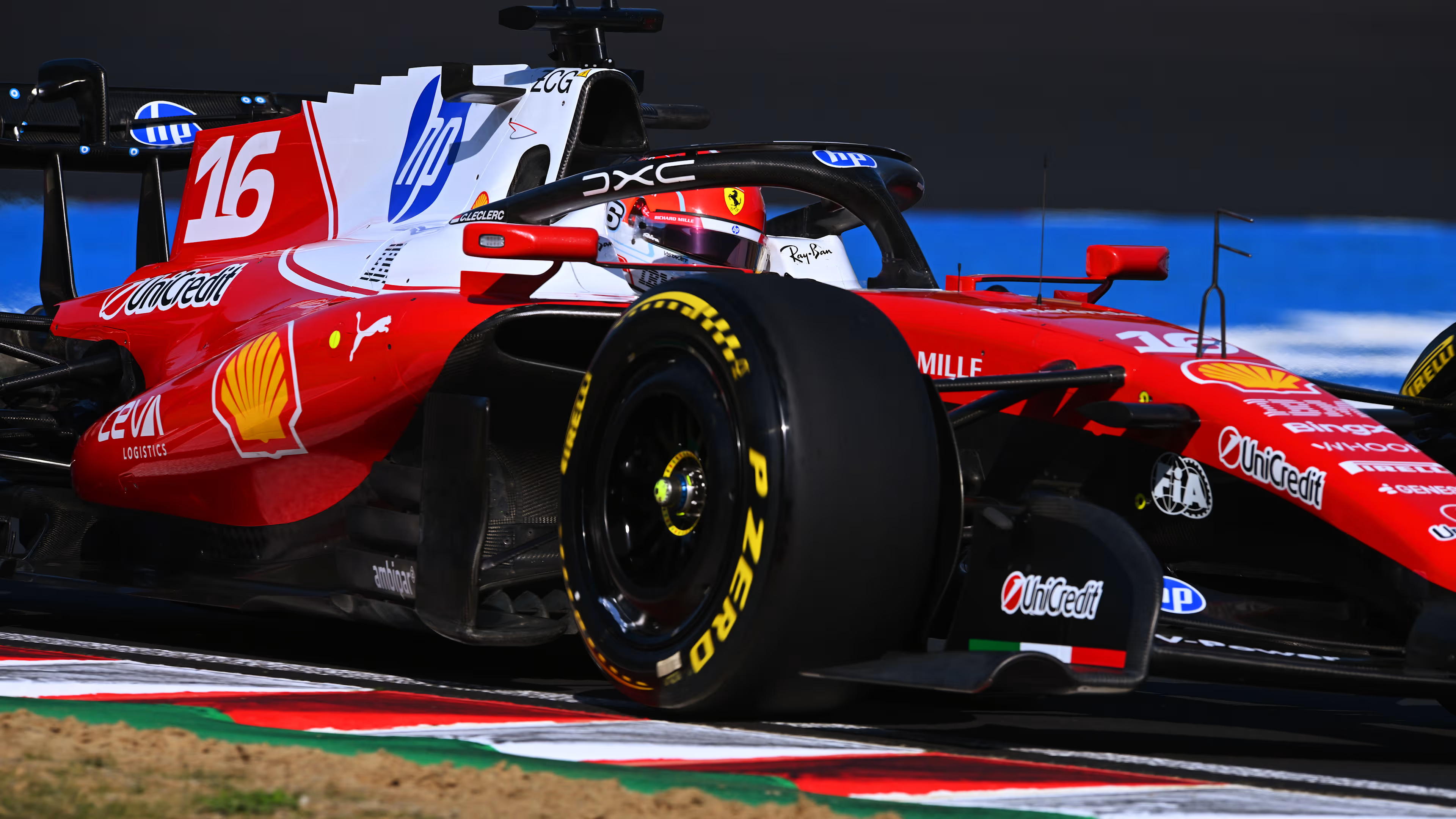
Marketing didn’t choose the red either. In the early 20th century every country raced in its own colour: the British in green, the French in blue, the Italians in red.5 When teams switched to their sponsors’ colours in the late sixties, Ferrari stayed red.6 The colour it got as an Italian now belongs to it, because it was the only one to keep it. The story goes that Enzo used to say any child asked to draw a car will colour it red.7 Whether he really said it matters less than the fact that everyone retells it.
I don’t believe in colour psychology, it has simply never made sense to me. But in Ferrari’s case that red is incredible, full of energy and fire.
Racing as a marketing channel
Ferrari has never advertised in the classic way.8 Piero Ferrari, Enzo’s son, explains that the company relies on racing, not advertising, to show its technical excellence.4 The model was set from the start: Enzo sold road cars to finance racing, and every victory raised demand for the road cars.9
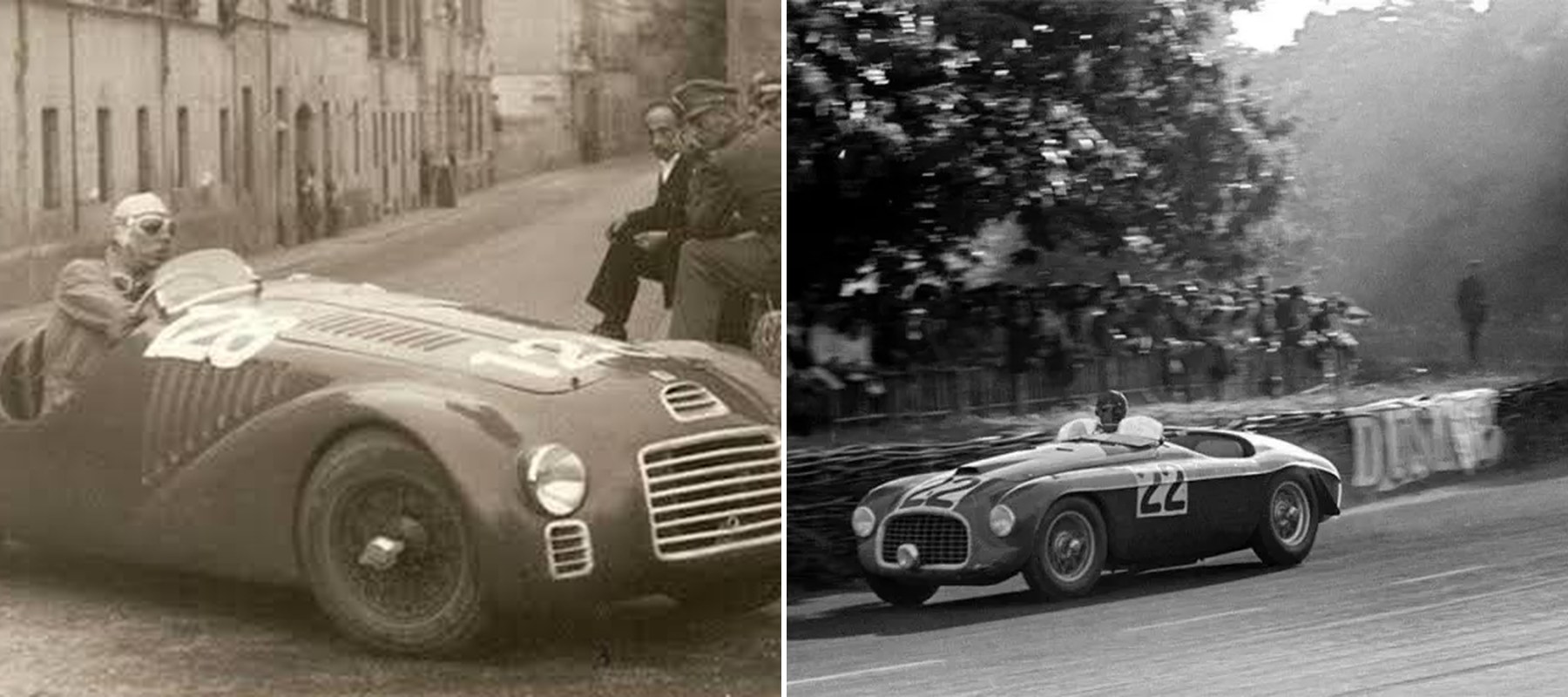
The first Ferrari, the 125 S, won in Rome in 1947.10 Its international name came with Le Mans in 1949. Luigi Chinetti bought two cars himself because Enzo thought the factory wasn’t ready yet, drove almost 23 of the 24 hours and won.11, 12 Chinetti was already selling Ferraris in America, and in the early fifties he became the official importer and opened Ferrari’s first, and for a long time only, dealership in the US.13 The win provided the story, and a man with the right contacts turned it into sales.
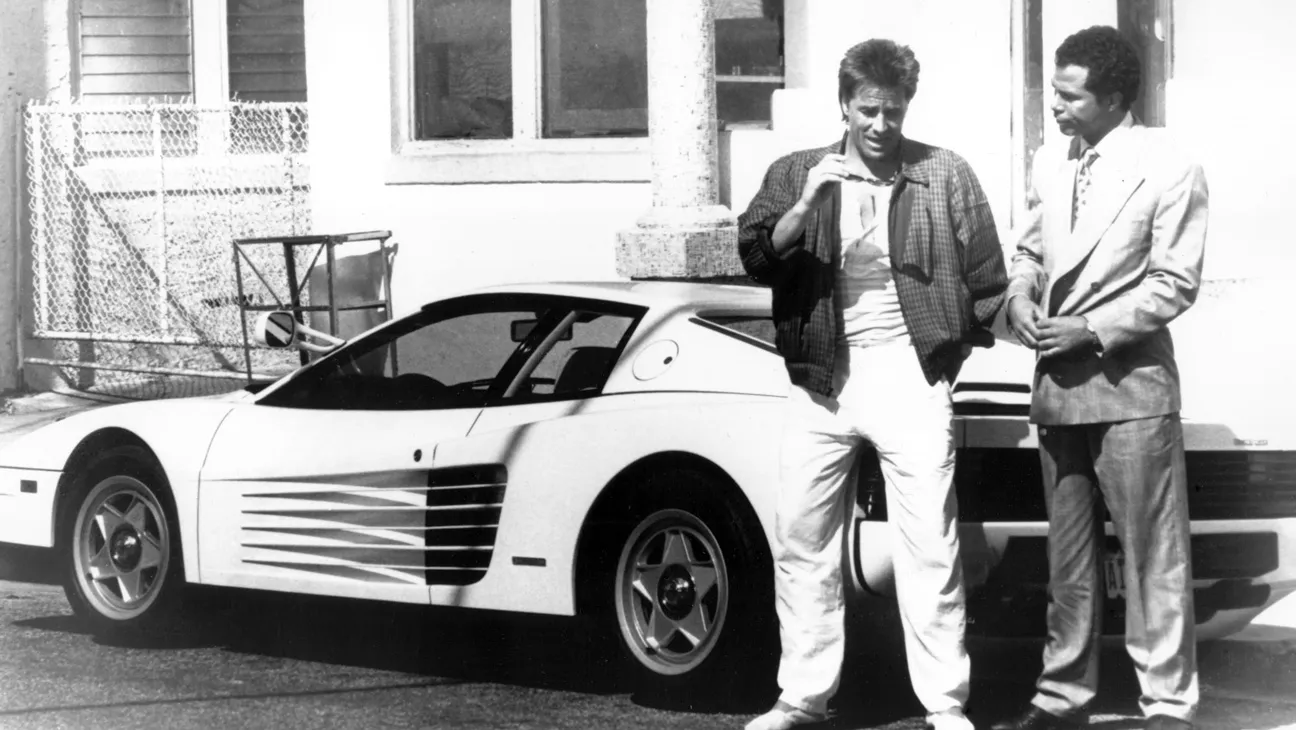
The same rule applies on screen: Ferrari doesn’t pay to be seen, but it cares how it is seen. In the first two seasons of Miami Vice, detective Sonny Crockett drove a black Ferrari Daytona Spyder that was actually a Chevrolet Corvette with a replica body.14 Ferrari had earlier refused to give the production real cars.15 When the copy appeared on screen, it sued the replica maker. The settlement: two new Testarossas for the series, and the replicas destroyed.14 Producer Michael Mann asked for white, to fit in with Miami.16 The fake Daytona was blown up in the series, and the white Testarossa stayed until the end.17 Ferrari turned brand protection into the best product placement it ever had.
Scarcity as strategy
Ferrari has long repeated a rule attributed to Enzo: always make one car fewer than the market demands.18 Luca di Montezemolo turned it into a business decision in 2013. After a record 7,318 cars sold, he announced fewer than 7,000.19 “Whoever buys a Ferrari buys a dream,” he explained, “and must be sure that his dream of exclusivity will be fulfilled.”20
Scarcity isn’t only about numbers. Ferrari chooses who it sells to.9 In 2025 it delivered 13,640 cars, and orders are full until the end of 2027.21 Waiting has become part of the product. The name is protected inside the company too: when Enzo made the smaller, more affordable Dino, he put neither the Ferrari name nor the horse on it.1 He kept the name for the more expensive V12 models.9
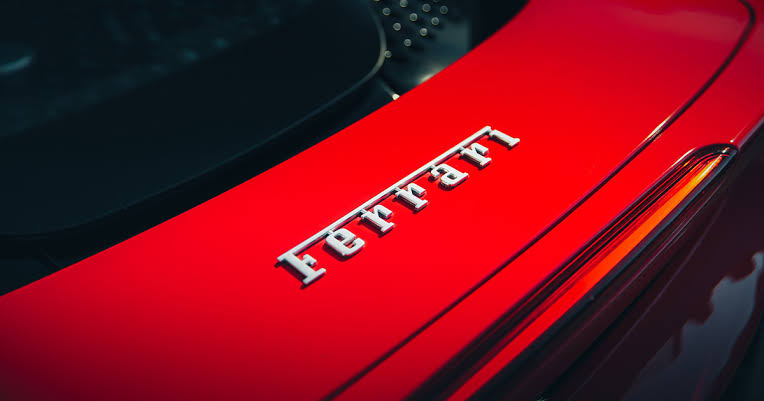
How far can a horse go
For most people a cap, a jacket or a model car is the only Ferrari they will ever own. So merchandise is not a side business, it is the way into the brand.9 For years Ferrari has rented its horse out to others, from model cars to LEGO sets.22 The biggest example is Ferrari World in Abu Dhabi, opened in 2010. It runs under licence and brought in around 13 per cent of all Ferrari’s licensing revenue.23 For Ferrari Land in Spain, opened in 2017, PortAventura paid for the licence and carried the 100 million euro investment itself.24 Ferrari gives the name; the partner builds and takes the risk.
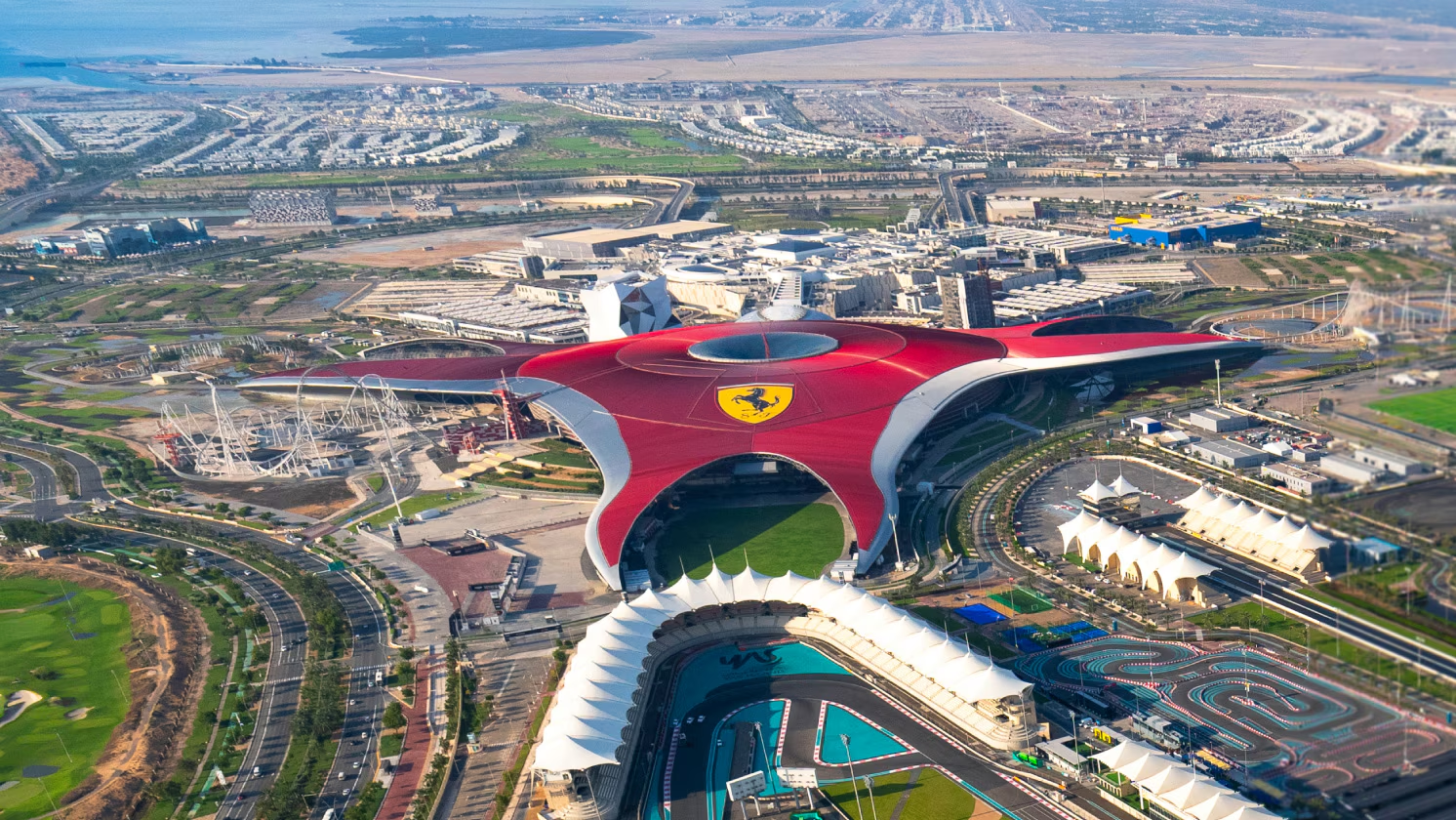
Licensing has a price, too. For years Ferrari sold polo shirts and luggage in airports and shopping centres. In 2019 CEO Louis Camilleri said the offer was too stretched and risked diluting the brand. He announced cutting licences by about 50 per cent and dropping about 30 per cent of product categories.25 What followed was a long-term deal with the Armani group26 and, in 2021, Ferrari’s own first fashion collection, shown on the factory line for its V12 models.27 The goal is for brand extensions, through clothing, entertainment and luxury services for owners, to deliver 10 per cent of profit within about ten years.28
You don’t grow a brand by putting the sign on everything, but by deciding where you will no longer put it. The results bear this out. Revenue from sponsorship, commercial activities and brand passed 800 million euros in 2025, 22 per cent more than the year before.29 Brand Finance named Ferrari the world’s strongest brand in 2014 and again in 2019 and 2020.30
Luce
This story wouldn’t be complete without Luce. In 2013 Montezemolo said Ferrari would not make an electric car as long as he was chairman.20 Luce is the first electric Ferrari. The name means light, and the interior was developed over five years by LoveFrom, the collective founded by Jony Ive, Apple’s former head of design and the designer of the iPhone, and Australian industrial designer Marc Newson.31 Ferrari revealed it in stages: the technology in October 2025, the name and interior in San Francisco in February 2026, and the whole car on 25 May in Rome, the city of its first win.32, 33 Reactions are divided.34
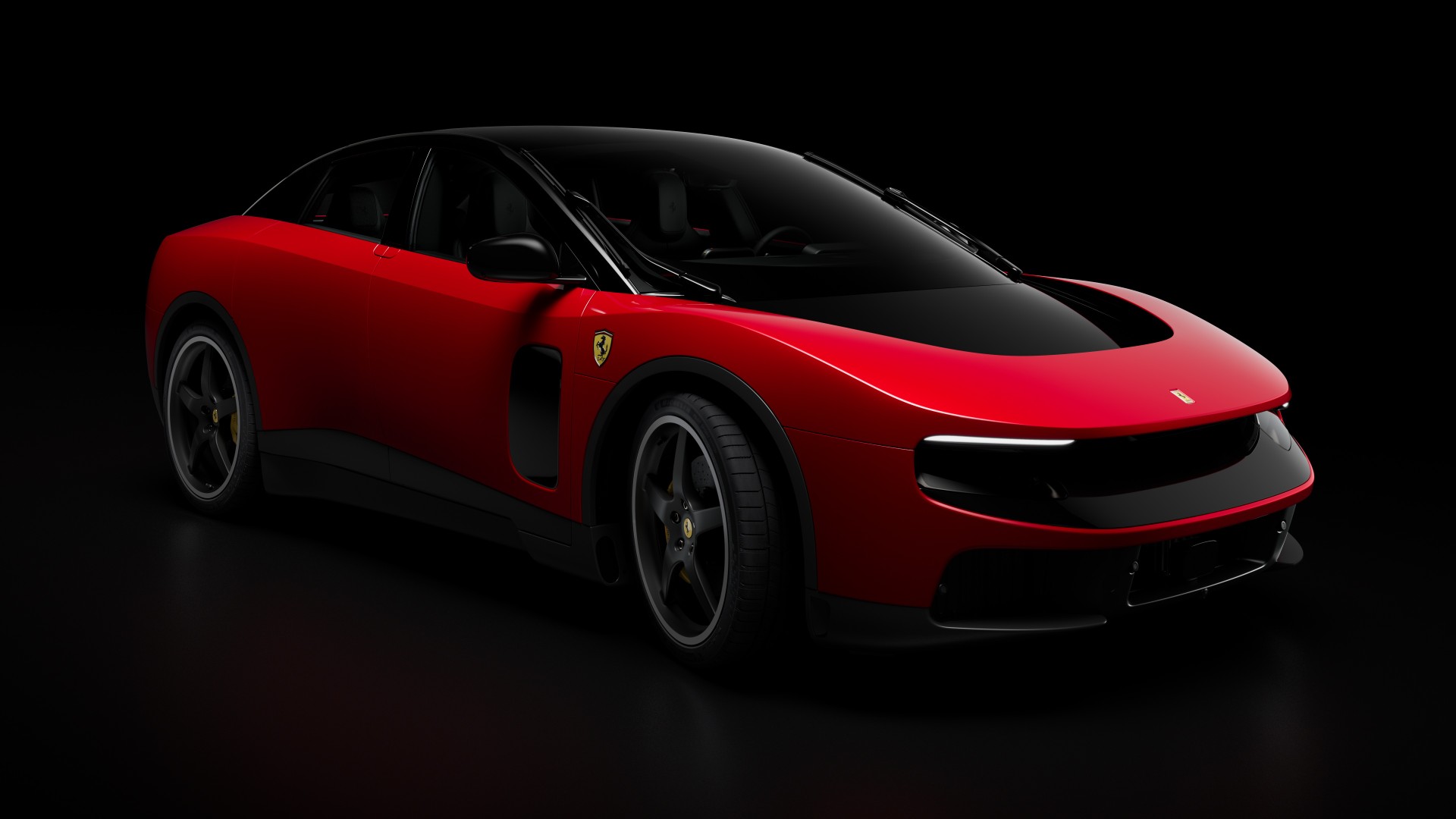
Luce tells us a lot about the time we live in: about technology trying to overpower design, about aesthetics that are ever more plastic and emotion that matters ever less.
The story of Ferrari, like all branding stories, teaches you how terribly hard a brand is to build. Branding is an endless series of decisions, every day. Turning the horse around on a sketch. Staying red when others sold their colours to sponsors. Making one car fewer than the market demands. Giving up half the licences when it would be easier to sell more T-shirts.
Behind every one of those decisions there is passion. The passion to win a race, to make the best product in the world, a passion for aesthetics, a passion for life. Without it, no business lasts.
That is why, for me, the story of Ferrari is a story about passion, much more than a story about a car.
The title of this essay is a famous saying attributed to Enzo Ferrari.
Research background: Ferrari Magazine (history of the emblem; Rome 1947; Le Mans 1949); Formula1.com (#essereFerrari, 2019); Luigi Chinetti and Ferrari’s beginnings in the US; the history of national racing colours; Luca di Montezemolo’s statements in 2013; Ferrari N.V., Form 20-F 2017; The Business of Fashion, Reuters and AP on Ferrari’s brand strategy 2019–2021; Fluid Branding, “How Ferrari built an empire on branding & merchandise”, 2025; Ferrari, 2025 results; Brand Finance Global 500; Ferrari and LoveFrom, Luce (2026).
Sources
- Hagerty, “Rosso Corsa, Canary Yellow, and the Prancing Little Black Horse”
- Prancing Horse, Wikipedia · Turtle Garage
- Ferrari Magazine, “It started with a sketch: the Prancing Horse emblem”
- Formula1.com, “Essere Ferrari: why does the Scuderia inspire passion in racing fans like no other?”
- List of international auto racing colours, Wikipedia
- Rosso corsa, Wikipedia
- Formula1.com, “A history of Ferrari’s iconic racing liveries in F1”
- Market Realist, “Is Ferrari the world’s most recognizable brand?”
- Jamie Mackenzie, “How Ferrari built an empire on branding & merchandise”, Fluid Branding, 15 April 2025
- Ferrari Magazine, “Rome 1947: the first 100% Ferrari victory”
- TCCT, “Who financed Ferrari?”
- Ferrari Magazine, “Magical Le Mans history”
- Luigi Chinetti, Wikipedia · Petrolicious
- Cars in Miami Vice, Wikipedia
- Volo Cars, “The Miami Vice Ferraris”
- HotCars, “The story behind the Ferrari Testarossa in Miami Vice”
- Yahoo Autos · Rosso Automobili
- Carsales, “The Horse Whisperer”
- CarsGuide, “Ferrari to limit production, rules out IPO”
- WARC, “Ferrari focuses on exclusivity”
- Vozpópuli · Dukascopy
- FashionNetwork, “Repositioning Ferrari: From license business to lifestyle brand”, 15 June 2021
- Ferrari N.V., Form 20-F for 2017
- Attractions Management, “Speed Demons”, 2017
- The Business of Fashion, “Ferrari brings in Armani for Italian boost to its luxury brand”, 2019
- FashionNetwork, “Ferrari strikes licensed apparel deal with Giorgio Armani group”, 5 November 2019
- Reuters via Independent on Saturday, “Ferrari’s luxury fashion aimed at youth and women”
- The Globe and Mail, “Ferrari to launch fashion collaboration with Giorgio Armani”, 2019
- Ferrari, FY 2025 Results Press Release, 10 February 2026
- Brand Finance · Gran Turismo Events
- Ferrari, “Ferrari Luce: revealing interior, interface design and the name”, 9 February 2026 · Car Dealer Magazine · GoAuto
- The EV Report
- Automotive World · Robb Report Singapore
- New Mobility, 26 May 2026