New retail: when a store becomes a host
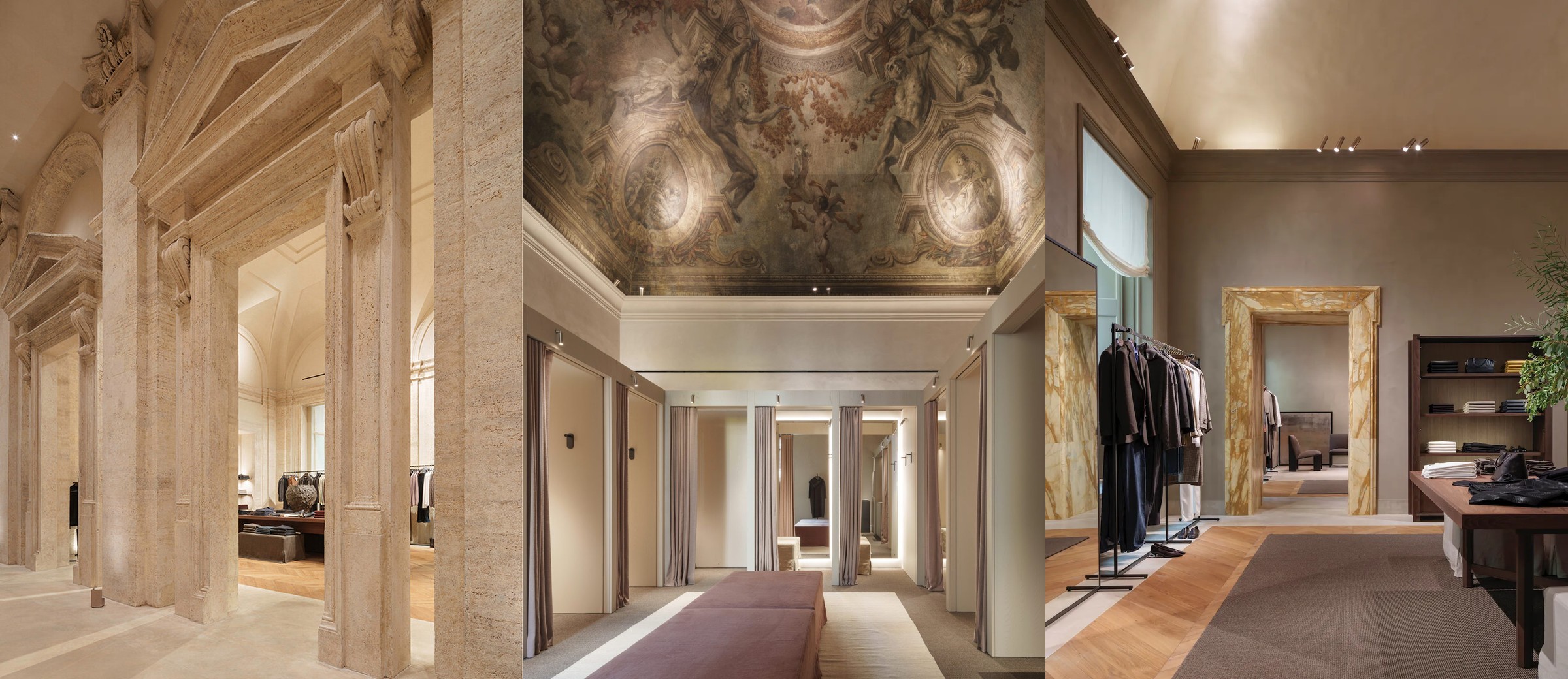
Massimo Dutti at Palazzo Ruspoli, my nona’s neighbourhood shop and what a customer gets from coming in
By Anja Zambelli Čolak
At the end of its 2025 financial year, Inditex had 5,460 stores. Six years earlier, it had 7,469.1
Roughly two thousand fewer locations, in a group that is at the same time investing in larger stores and in connecting physical and online shopping.
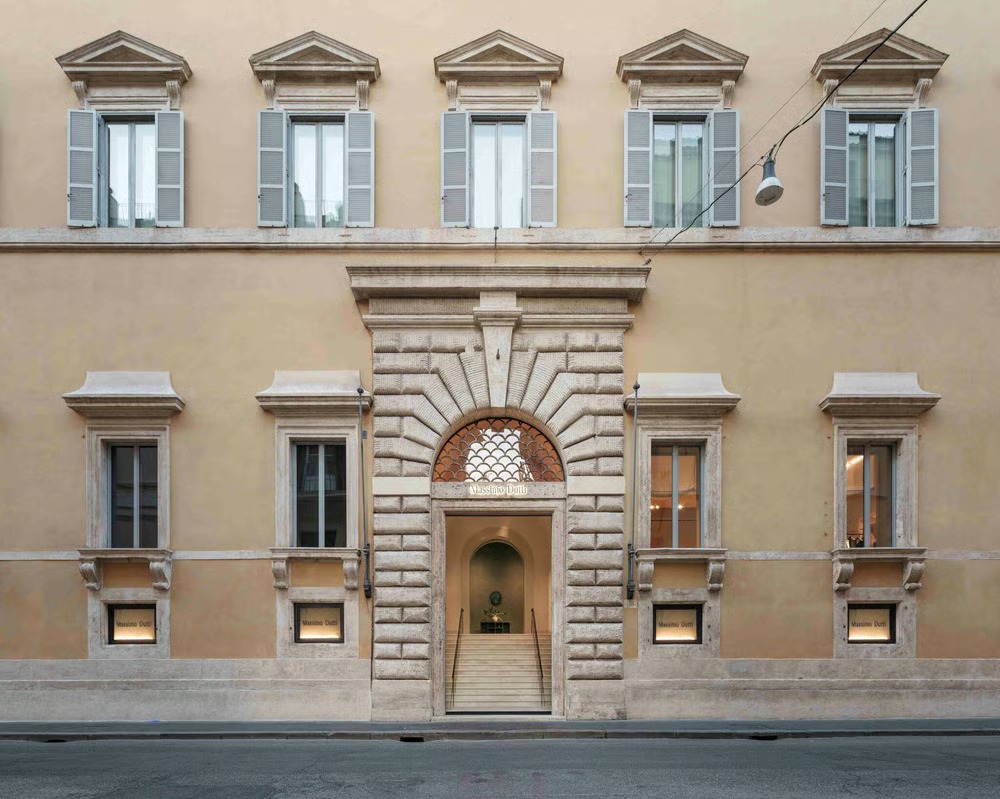
In early October, Massimo Dutti, part of the same group, opened a flagship in Rome covering more than two thousand square metres.2 Personal styling, a concierge and delivery of your purchases home or to your hotel are part of the experience in the historic Palazzo Ruspoli.
Reading about it, I thought of my nona, my grandmother.
For her, going to the neighbourhood shop was an everyday reason to leave the house. She would go for a litre of milk and have a chat with the shop assistant who knew her. She knew her grandchildren’s names.
That encounter belonged to her day just as much as the shopping did.
Today we talk about personalisation, customer experience and our relationship with brands. My nona knew that relationship through an ordinary neighbourhood shop. Someone recognised her, remembered their last conversation and had something to say to her.
Experience has always mattered to us. I think we’ve forgotten part of it along the way.
What we get from coming in
Online shopping has let us do much of our choosing and ordering from the sofa. So a physical store needs to show clearly what we get from coming in.
With clothes, these are very concrete things. Touching the fabric. Seeing how it falls over the shoulders. Trying on two sizes. Getting a suggestion for a combination we wouldn’t have thought of ourselves.
EY’s 2024 Future Consumer Index, which surveyed more than 23,000 consumers in 30 countries, found that 57 percent of respondents want to see and touch a product before buying it. 32 percent would like the personal service available in a store.3
These findings give us a basis for thinking about what physical retail is worth investing in: products we can experience, and people who can help us choose.
In Rome, Massimo Dutti connects these elements with a space and services that make the whole visit easier.
The high street takes on the attention of the premium segment
Personal styling by appointment and concierge services are familiar ways of working in premium fashion. Bringing them into high street retail changes what we expect from shopping.
A customer can book a consultation in advance. Someone gives them time and helps them choose and combine. After the purchase, there are services that let them carry on with their day without worrying about bags.
This is where retail meets hospitality.
The attention extends across the whole visit: how we are welcomed, how easily we find our way around, when someone offers help and how we leave.
Imagine a day in Rome. You went in to look at the collection, tried on a few pieces and found what you wanted. Ahead of you are lunch, an exhibition and a walk through the city. You can send your purchases to your hotel or home and carry on with your hands free.
When the service was designed, someone took into account your life after you leave the store.
That kind of attention gives an extra reason for a physical visit. At the same time, it uses the convenience of delivery that online shopping has already accustomed us to.
A space where we get to know the brand
Palazzo Ruspoli is an important part of that experience. Massimo Dutti arranges its collections through a series of connected rooms, using the character of the historic building. Furniture, lighting and layout let you explore the clothes in different settings, with room to move around and try things on.
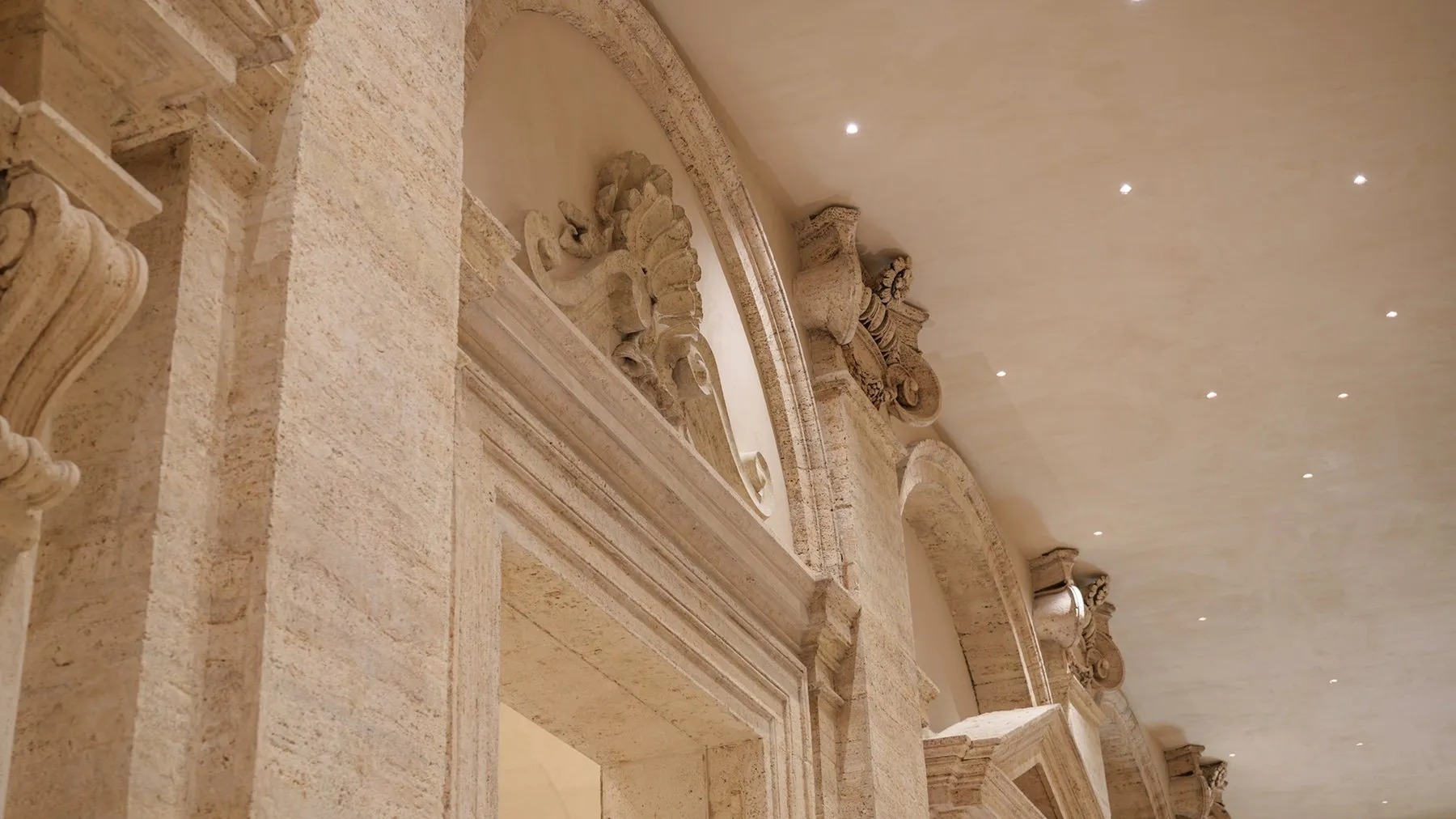
It is also a way of telling the brand’s story.
How a product is displayed, how much attention it is given and how the staff treat us together shape our impression. A message about quality becomes more convincing when we can connect it with what we see, touch and experience.
In PwC’s 2024 global Voice of the Consumer survey of more than 20,000 respondents in 31 countries and territories, 55 percent named visiting physical stores and talking to sales staff among the ways they discover new brands and products.4
So the store also plays an important role before the final decision to buy. It is where we can get to know a product, build trust and understand whether a brand is right for us.
What we define in strategy must be felt in the store
During brand strategy we lay the foundations: what the brand stands for, what character it has and what kind of relationship it wants to build with people. Those decisions should guide every touchpoint, including physical retail.
If we define the brand as warm and approachable, the customer needs to feel that warmth in the welcome, in patience while choosing and in help when something goes wrong. Space, communication and service should speak the same language.
A warm tone on the website creates an expectation. A cold, indifferent attitude in the store breaks it. The customer may not talk about brand inconsistency, but they will feel that the experience doesn’t match what we promised.
That is why retail experience should be developed from brand strategy. Store layout, lighting, fitting rooms, the way people are addressed and how complaints are handled are all opportunities for the brand to show its character.
Concierge and styling make sense when they support that character and meet the customer’s needs. Their value depends on how convincingly they connect with the rest of the experience.
For us at ZBD, that connection is what matters. Strategy gives direction, design makes it visible and tangible, and people and service confirm it every day.
The Rome flagship shows how many of these decisions can be brought together into one whole. Its size and location belong to the ambition of a large group, but the question it raises is relevant to a much smaller shop too: what will it mean to a customer that they came to us, of all places?
My nona knew the promise of her neighbourhood shop from the way people treated her.
And every visit gave her a reason to trust it.
Research background: Inditex, annual results for the 2019 and 2025 financial years; EY Future Consumer Index, 2024; PwC Voice of the Consumer Survey 2024: Shrinking the consumer trust deficit. Example: Massimo Dutti flagship at Palazzo Ruspoli, Via del Corso 418, Rome, opened on 10 October 2026. Photos: Massimo Dutti.
Sources
- Modaes, “Inditex Ends 2025 with 103 Fewer Stores, Yet Expands Retail Space by 1.5%” · Modaes, “Inditex grows by 8% and earns 6% more in 2019”
- designboom, “Massimo Dutti reincarnates 16th-century palace as Rome flagship store” · RetailBoss, “Massimo Dutti Opens Rome Flagship at Palazzo Ruspoli”
- EY, Future Consumer Index, July 2024
- PwC, “Voice of the Consumer Survey 2024: Shrinking the consumer trust deficit”