

What else could we become?
Umberto Eco, Alessandro Michele and the identity we haven't tried on yet
By Anja Zambelli Čolak
How many unread books do you have at home? And how many clothes you almost never wear?
With books, we tend to be patient. We bought them because something interested us, and we believe we'll get back to them. Clothes, sooner or later, we start to question: why did we buy this, where did we think we were going, and why were we so optimistic about our social life.
Still, there is something worth understanding in both choices. We were drawn to a possibility. A subject we want to know more about, a way we want to feel, a version of ourselves that hasn't yet found enough room in our everyday life.
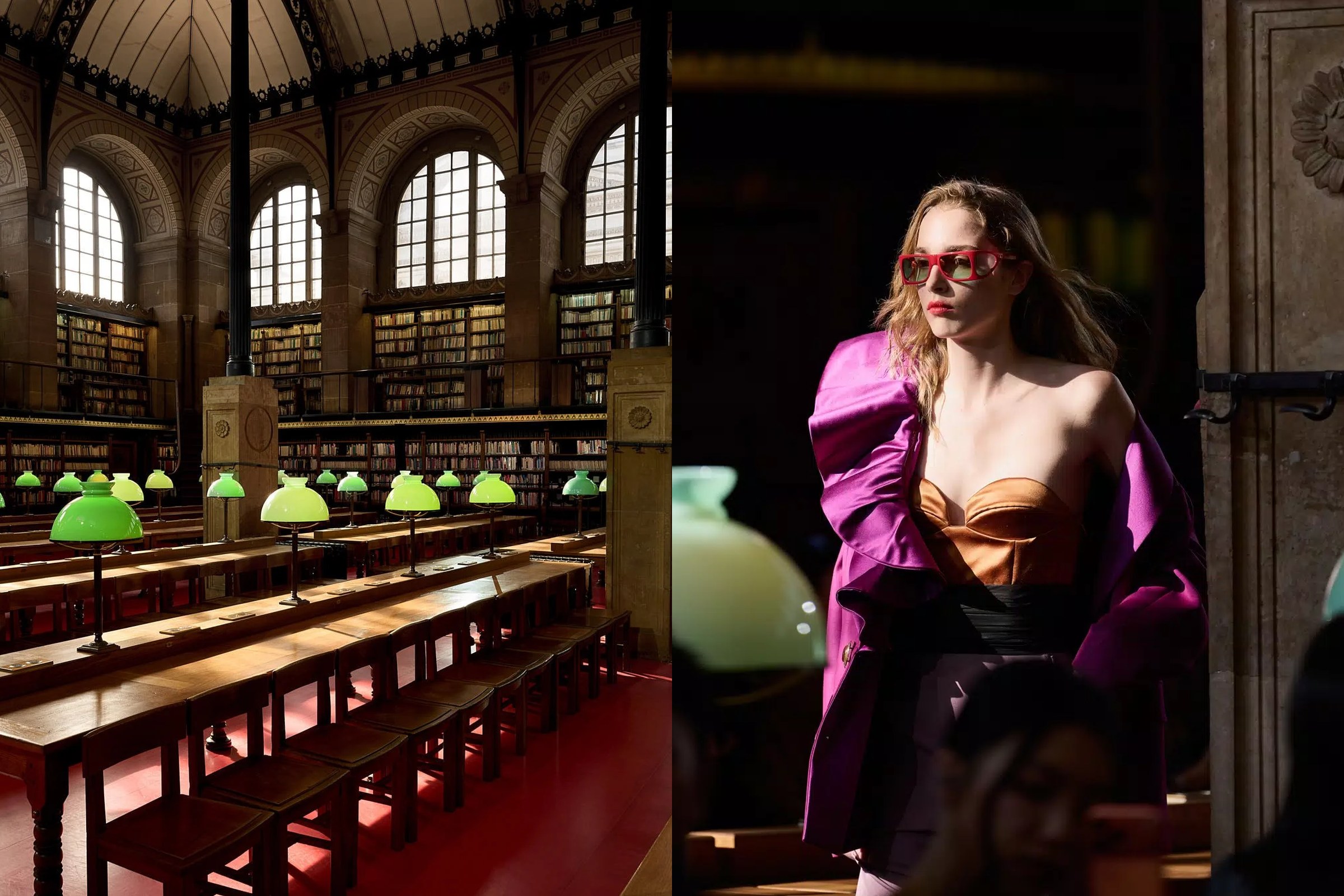
Alessandro Michele drew that connection with Valentino's Spring/Summer 2027 collection, called Antibiblioteca. He staged the show in the Bibliothèque Sainte-Geneviève in Paris and asked guests to bring a book.1 Choosing a book became one more way of showing something about themselves. At a fashion show, where everything people wear is read very carefully anyway, we were also given some quite literal reading material.2
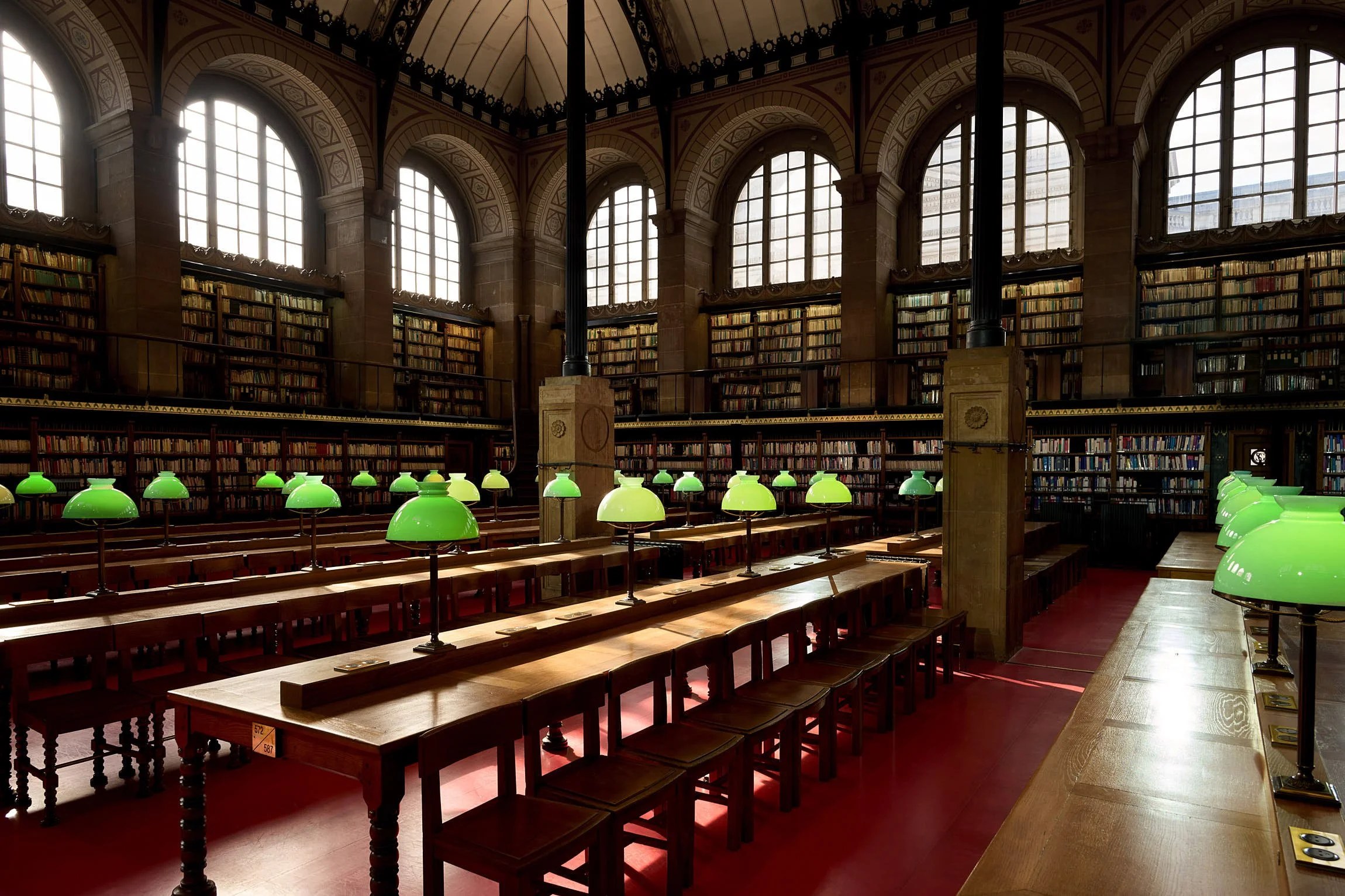
Michele's starting point was Umberto Eco's library and the idea of the antilibrary that Nassim Nicholas Taleb develops in The Black Swan. Unread books have value as the space of what we don't yet know. Michele carries that openness over to the wardrobe: clothes we haven't worn yet can hold possibilities of lives we have yet to try.3
I like that view, with one small reservation. Not every bad shopping decision deserves to be called an exploration of identity. Sometimes we simply bought the wrong size and couldn't be bothered to go back to the shop.
But when we keep holding on to something we hardly ever use, it is worth asking what we are really keeping.
Maybe a dress. Maybe the idea that one day we'll wear it without wondering whether we've overdone it. Maybe a book we'll open once we have the peace and quiet we've been neatly scheduling for next weekend for years.
What things say about us
In Possessions and the Extended Self, published in 1988, Russell Belk describes how the things we own take part in our sense of identity. Objects can become part of how we understand ourselves, keep relationships and experiences, and present ourselves to others.4
It is a useful starting point for understanding consumption. People choose things within their own lives, with memories, habits, wishes and ideas about themselves. A product's function matters, but a choice often involves much more than that.
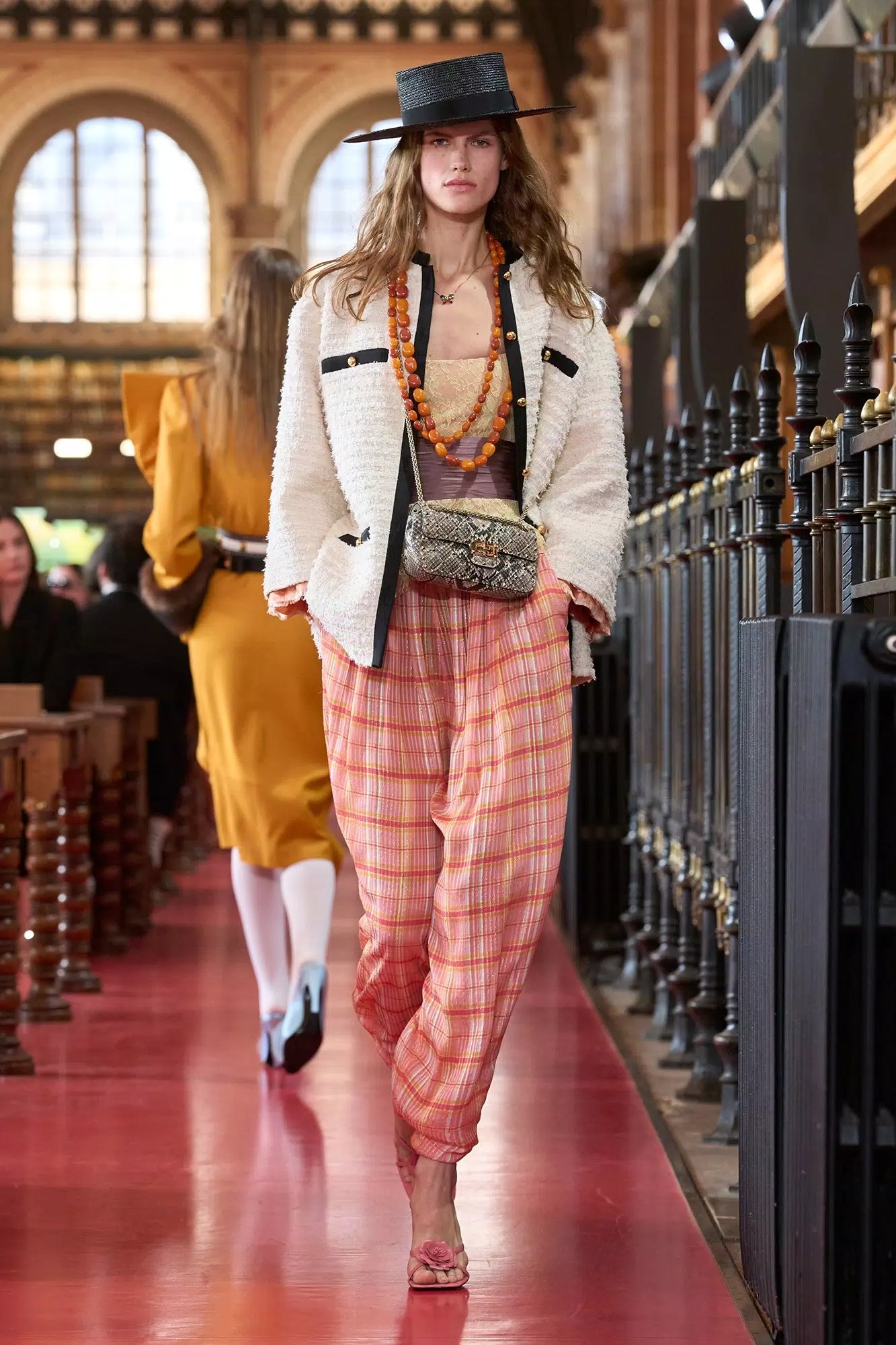
Clothing is especially interesting because the relationship between the thing and the person is visible. We can wear something that fits how we usually behave, or try to push the boundary a little. Sometimes we feel good in it straight away. Sometimes we spend the whole evening adjusting the sleeves and waiting to go home.
For me, those attempts are also part of getting to know ourselves. We find out what suits us, what we have outgrown and what we would still like to be able to wear. Belk's concept gives a basis for understanding the link between owning and identity; the idea of clothes as a space for possible future versions of ourselves is my own reading of Michele's collection.
An unread book plays a slightly different role. It can remind us of an interest we haven't developed yet, a question we haven't explored or knowledge we lack. Owning the book, of course, won't do the reading for us. It would be nice if it did. Libraries would instantly become an even better investment.
The value, as I see it, is that the things we choose can keep us connected to something that hasn't yet become part of our everyday life.
Where is the brand in this?
When I work on a brand, I'm interested in what the customer sees in it for themselves.
A company can describe its history, quality and ambitions very precisely. It can explain every detail of its product. The customer still has to find the reason it belongs in their life.
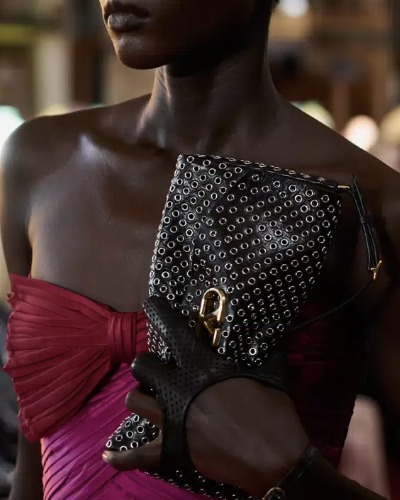
With clothes, that relationship is easy to imagine. How will I look? How will I feel? Is this something I would wear? Do I want to be the person who wears it?
Similar questions, in my view, come up in other categories too. A hotel can match the way we want to spend a few days off. A restaurant can be a place where we feel at ease, or a place we want to invite someone to. Choosing a service can give us the feeling that we have finally got a decision right.
For a brand, it matters to understand that connection concretely enough to do something with it. "Our audience values quality" won't help us much here. It's hard to imagine an audience actively looking for poor quality.
It is far more useful to know what people are trying to achieve, what matters to them at that moment and why our way of working suits them.
That changes over a lifetime. A brand we chose when we were just starting out may no longer suit us later. Our income, taste, obligations or what we want to show others have changed. Sometimes the same offer stays with us through several phases. Sometimes it stays tied to a period we like to remember, but no longer return to.
For a brand owner, this relationship raises a very concrete business question:
How well do we know the lives of the people who once chose us, as they are today?
Maybe we still picture them as they were ten years ago. Maybe new customers have already arrived, and we are still talking to the old audience. That is hard to fix just by changing the photos.
What a brand can become
Over time, a brand gathers products, experiences, language, relationships and expectations. People know it for something. They trust it with something. They expect something from it.
There is value in that, and it needs to be understood before any change. There are also habits we keep because nobody remembers anymore when they started or why we still have them.
This is where the antilibrary works for me as an analogy. Alongside everything a brand has already built, there are possibilities it hasn't developed yet. A new offer, a different audience, a new role in an existing customer's life.
That doesn't mean every possibility should be tried. A brand that can technically offer something new still has to answer why a customer would trust it with that.
So when an owner says they want to change their brand, I want to know what they want to be able to offer that they can't today. What do people already value about them? What has changed in their needs? Is there a good foundation in the business for the next step?
Sometimes that conversation shows the problem is in communication. Sometimes in the offer or the experience. And sometimes we first need to develop a strategy, because so far the company has mostly had a visual identity. I see this often in my work on the Croatian market: changing the look opens questions about the brand that were never fully asked before.
A new typeface can be a good choice. It just won't decide on its own who we are talking to and why that someone should choose us.
Michele's collection interests me precisely because of the space it opens around what we choose. An object can enter our life before we know how we'll use it. A brand can recognise an opportunity before turning it into a new offer. In both cases, it remains to be seen what of it truly belongs to the person or the business.
If you are thinking about changing your brand, take one customer you have known for years. What has changed in their life since they first chose you? And how much of that shows in what you offer them today?
That's what I'd like to hear when you get in touch. It already gives us something to work with.
Research background: Russell W. Belk, "Possessions and the Extended Self", Journal of Consumer Research, 1988. Cultural starting point: Nassim Nicholas Taleb, The Black Swan, and Umberto Eco's library; Valentino, Antibiblioteca, Alessandro Michele, Spring/Summer 2027.
Sources


