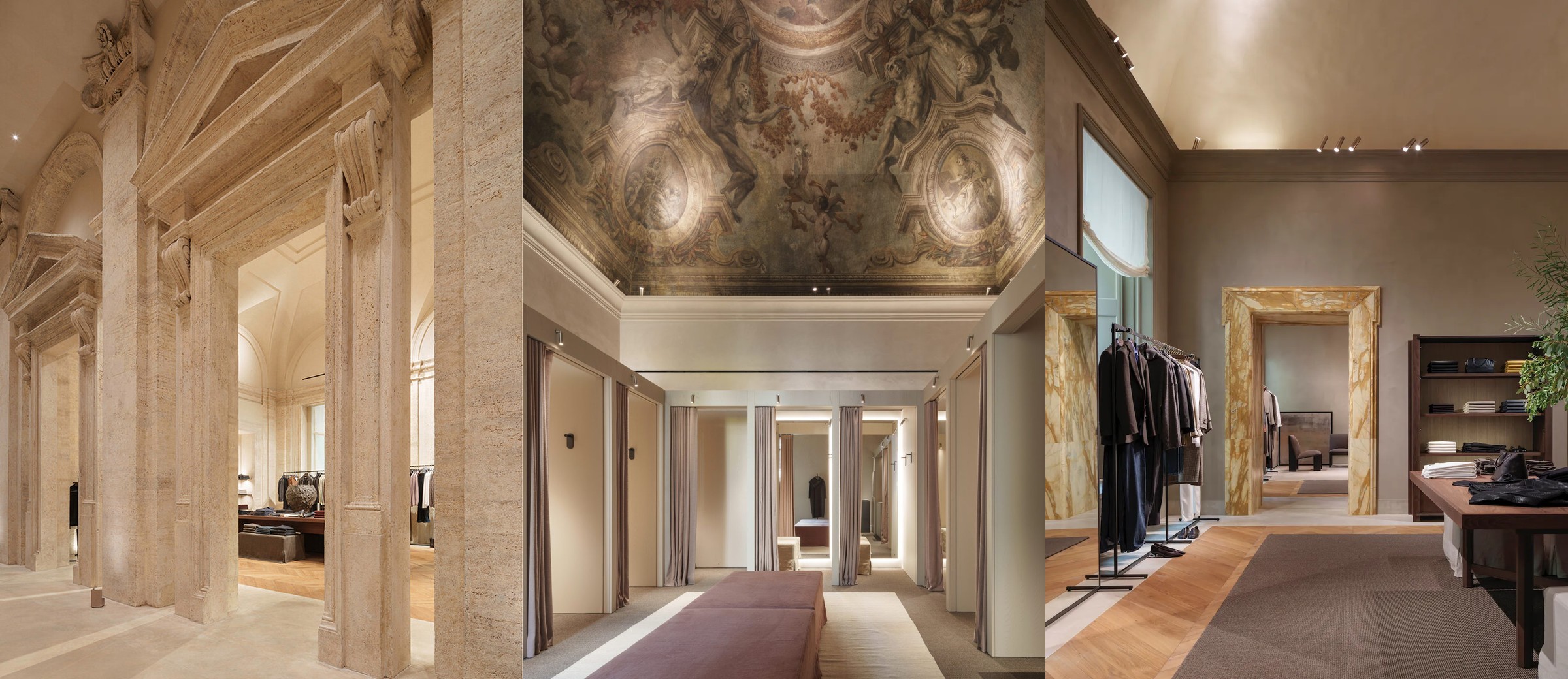
I Maestri del design italiano
They weren’t Italian. But an Italian company made their designs Made in Italy.
By Anja Zambelli Čolak
Why has an Italian company been making Le Corbusier’s armchair for sixty years?
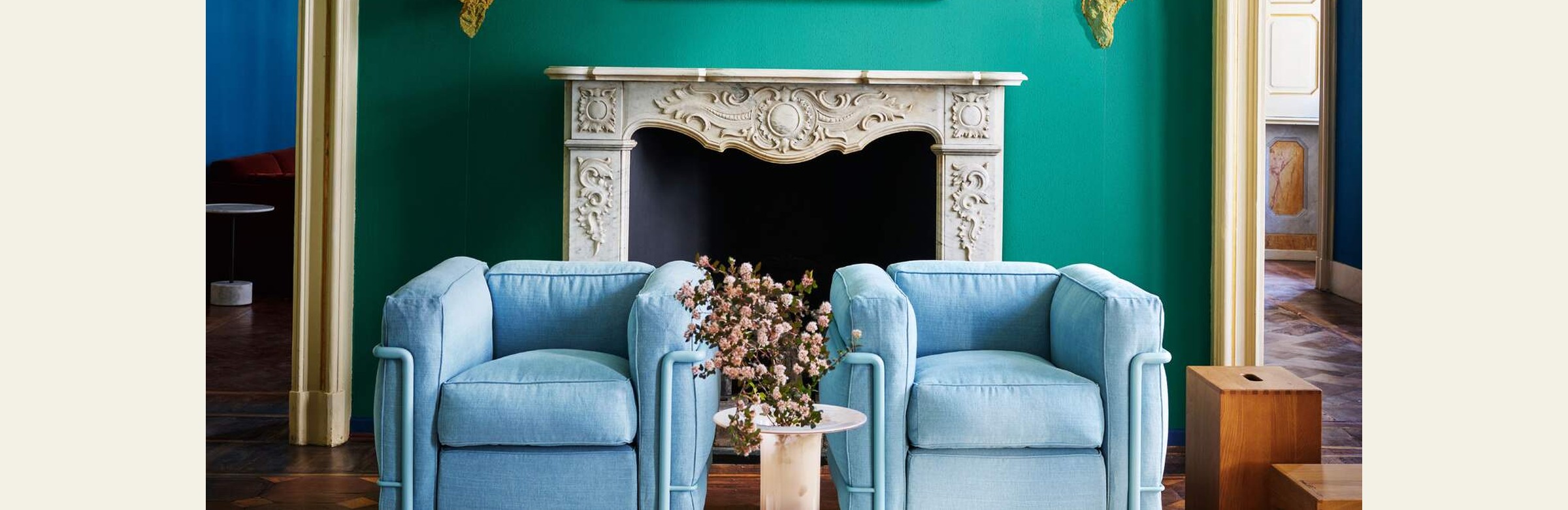
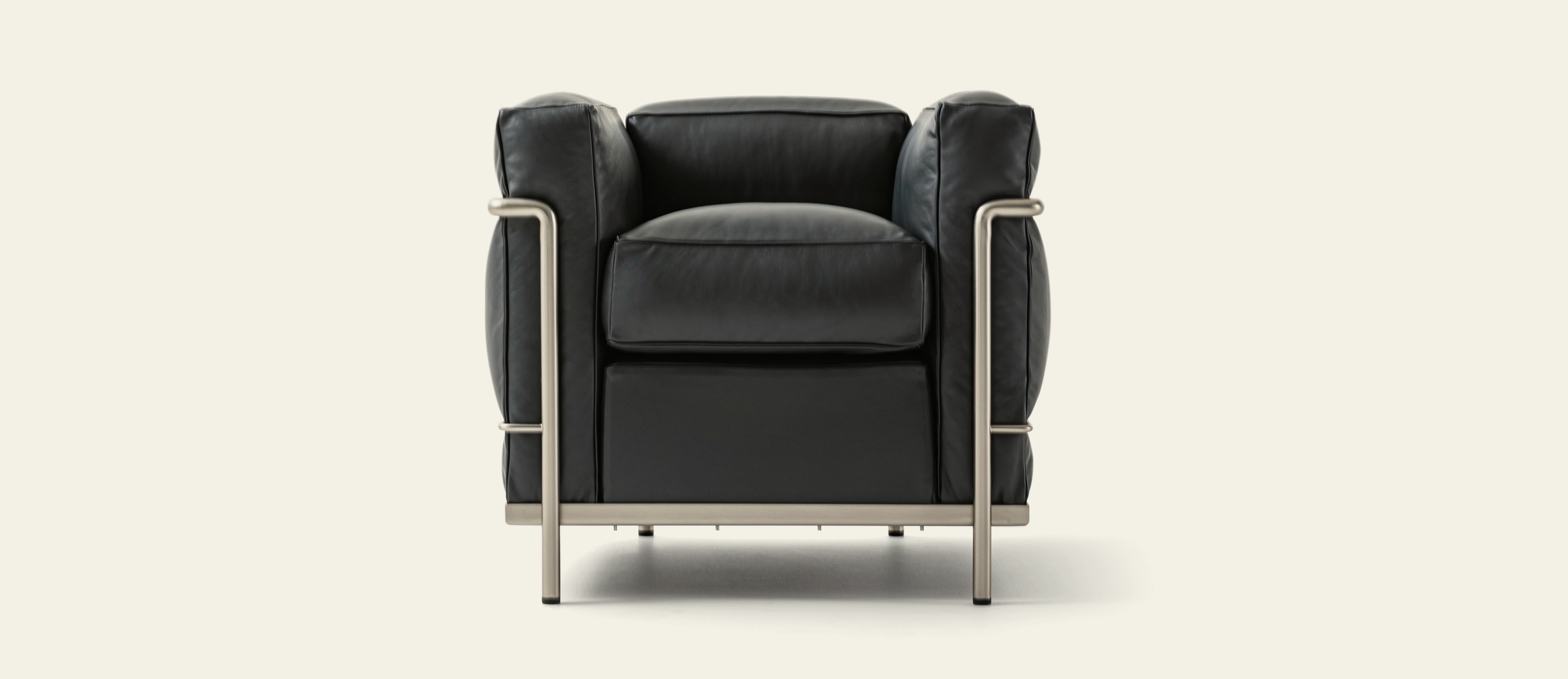
The LC2 armchair was drawn in Paris in 1928. Today, on its metal frame, as a mark of authenticity, you will find the signature of a company from a small town in Lombardy.1 Not a Parisian one, an Italian one.
It is a part of the Made in Italy story that gets told less often. Some Italian companies built their names not only on what they drew themselves, but on the rights they knew how to buy.
Carpenters who needed ideas
Cesare and Umberto Cassina came from a family of carpenters whose tradition goes back at least to the 18th century. In 1927 they founded their own company in Meda, north of Milan.2
After the war they fitted out ocean liners, and through that work they met Gio Ponti, who became the company’s first artistic consultant.2 In the fifties they moved from handcraft to serial production without losing their craft.3
So they had the hardest part: the workshop, the people and the know-how. What they needed were ideas worth producing for decades.
The 1964 contract
On 23 October 1964, Cassina signed a contract that gave it the rights to produce and sell the models designed in 1928 by Le Corbusier, Pierre Jeanneret and Charlotte Perriand.1 Le Corbusier was still alive at the time.4 The collection was officially presented a few months after his death in August 1965.5
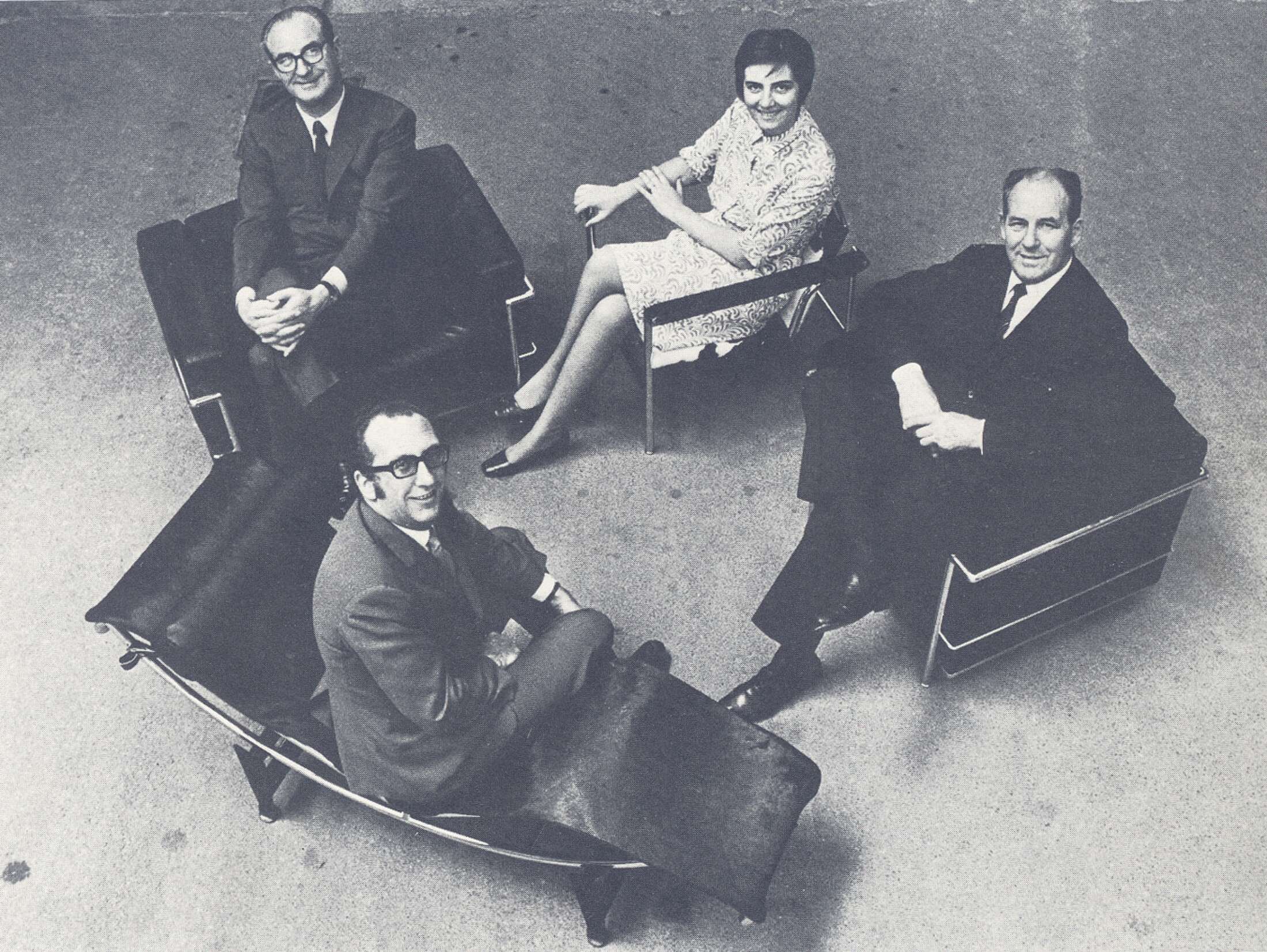
At first the rights covered Italy, then Europe, from 1967 the Americas as well, and from 1971 the whole world.1
Then came the others. Rietveld in 1971, Mackintosh in 1972, Asplund in 1981, Frank Lloyd Wright in 1985.6 The collection was named I Maestri, The Masters.
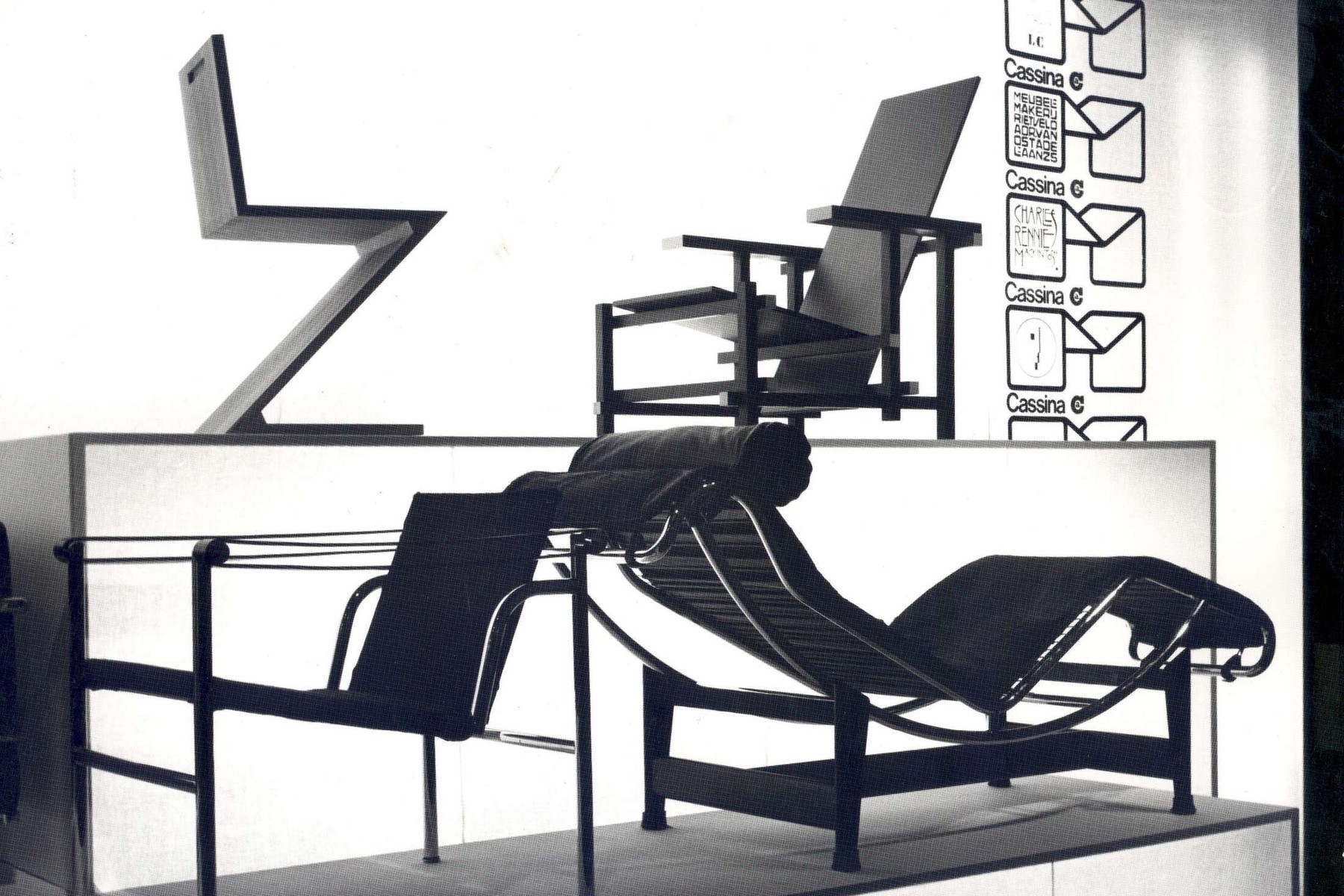
For me, this is the heart of the story. Cassina wasn’t buying furniture. It was buying the right to be the only one allowed to make it. Today we call that intellectual property. Back then it was a business decision by a small company from Brianza to tie its future to names that would outlive every season.
A right you defend
A right you have bought is worth only as much as you can defend it.
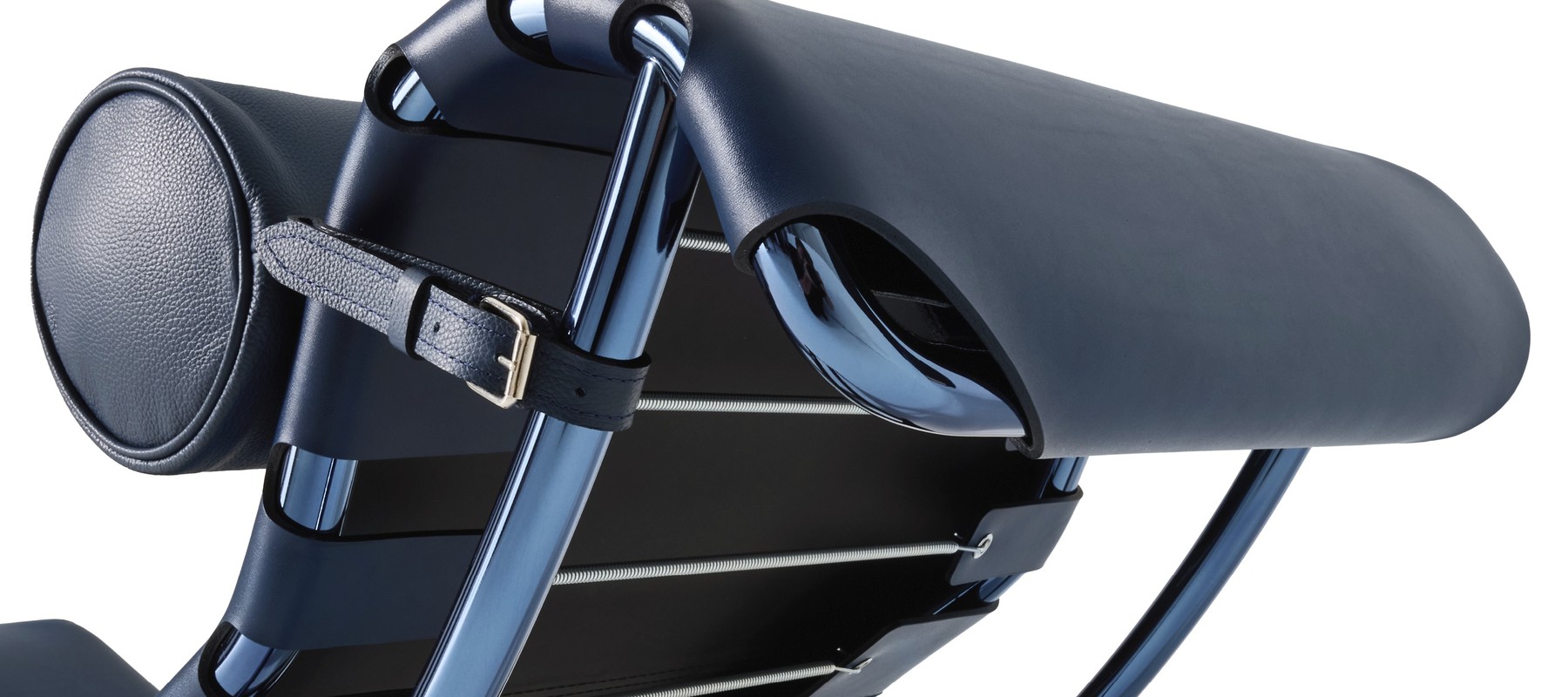
Copies of the LC2 and LC4 turned up everywhere, sometimes from Italy itself. For decades Cassina pursued them through courts across Europe, from Frankfurt and Luxembourg to the Court of Justice of the European Union, which in 2008 ruled on Le Corbusier armchairs displayed in the window of a German fashion chain.7, 8 Those armchairs hadn’t come from Meda, but from a manufacturer in Bologna.7
And it didn’t only defend, it also looked after. Before every re-edition it studied the original drawings, sketches and notes, and the collection is still overseen today by the Fondation Le Corbusier and the heirs of the co-authors.9 It bought the right, and with it the responsibility to protect it.
Who builds a company
Is that even “real” Made in Italy, then? I think it is, and perhaps the purest kind.
The Italians understood something many companies still haven’t. A company is built not only by whoever has the idea, but by whoever recognises it, pays for it, protects it and stands behind it for decades. Cassina didn’t invent the LC2. But on it, and on dozens of other people’s ideas, it built a name that today means quality on its own.
That is a lesson for every brand. You don’t have to come up with everything yourself. You have to know what is valuable, have the courage to buy it and the patience to look after it for longer than one season.
At the beginning I asked why an Italian company makes Le Corbusier’s armchair. Le Corbusier drew it. But for sixty years, someone in Meda has been deciding to make it exactly the way he imagined it. And signed a contract to do so.
Research background: Cassina, LC Collection and I Maestri catalogues; Design Museum Frankfurt, Cassina company profile; rulings on the rights to Le Corbusier furniture (CJEU C-456/06, 2008; Tribunal d’arrondissement de Luxembourg, 2005).
Cover photo: LC2 armchairs · Photo: Cassina
Sources
- Cassina, LC Collection, catalogue (1964 contract) · Cassina, LC Collection, catalogue (signature on the frame)
- Design Museum Frankfurt, Cassina
- Architonic, Cassina
- Cassina, LC Collection, catalogue
- Cassina, LC Collection, catalogue
- Cassina, I Maestri, catalogue
- Court of Justice of the European Union, C-456/06 Peek & Cloppenburg v Cassina, 17 April 2008
- Tribunal d’arrondissement de Luxembourg, Cassina v Sichel-Esch, 24 June 2005
- Cassina, LC Collection, catalogue (original documents, Fondation Le Corbusier)